Torrey Pines: the reserve trails and the beach below
Rare trees, sandstone cliffs and a trail that drops to the beach. Torrey Pines suits teens who want a hike with a payoff, as long as everyone respects the rules and the tides.
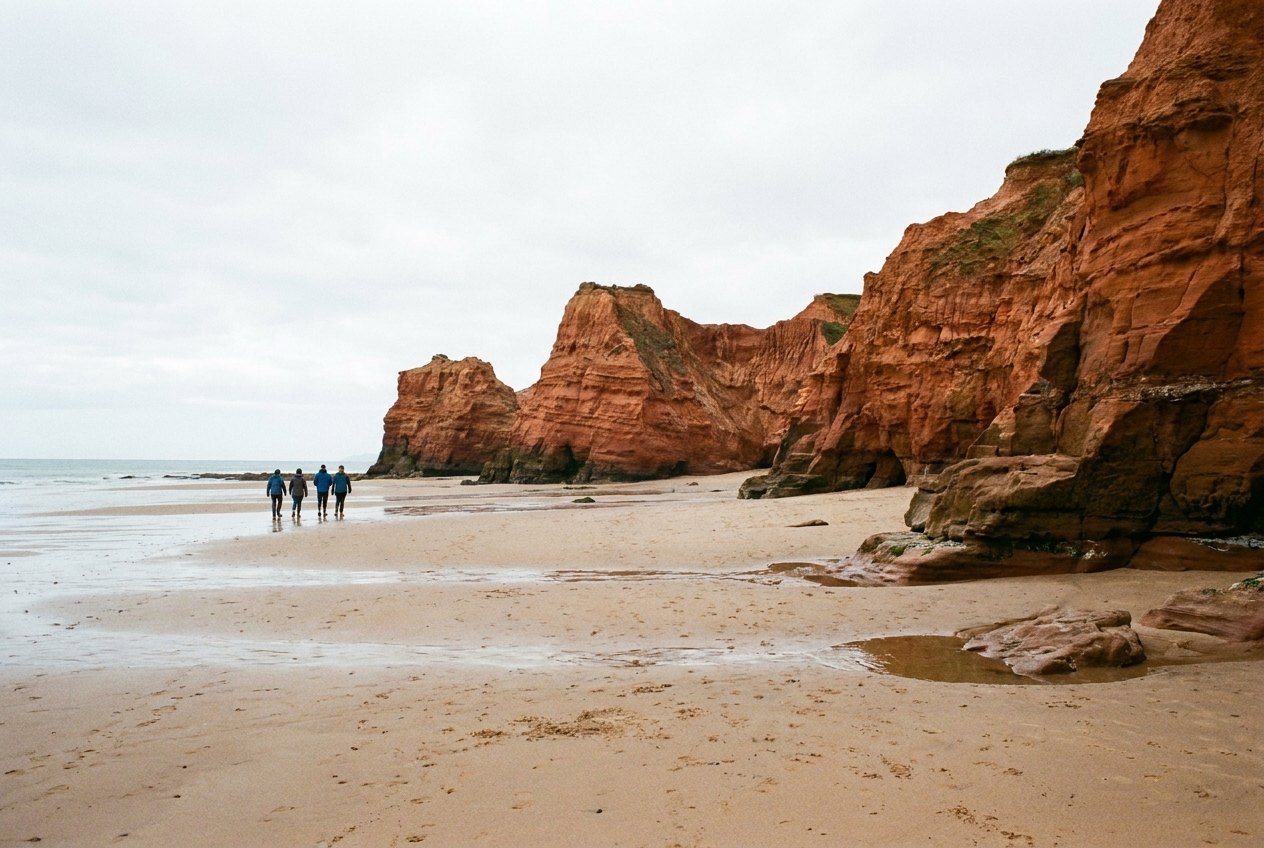
Torrey Pines State Natural Reserve sits on the bluffs between La Jolla and Del Mar, high above the Pacific. It protects the Torrey pine, one of the rarest pine trees in the country, which grows wild only here and on one of the Channel Islands. The trees are twisted and shaped by the wind, the cliffs are carved into gullies and ridges of pale sandstone, and the beach below stretches for miles.
For teens, it is a satisfying mix: short trails with big views, a steep path down to the sand, and the feeling of being somewhere wild just minutes from the city.
A tree found almost nowhere else
The Torrey pine has long needles in bundles of five and grows in shapes that look sculpted by the wind. Most of the trees that survive in the wild grow on these bluffs. That rarity is the reason the reserve exists and the reason its rules are stricter than at a city park.
The small visitor center in the old adobe-style lodge near the top of the reserve has exhibits on the trees, the plants and the wildlife here. It is a good first stop for teens who want to know what they are looking at.
Look for the long needles on the ground and the heavy cones high in the branches. Some of the oldest pines lean out over the gullies, shaped by years of wind off the ocean. Teens with a phone camera can spend a long time trying to frame one against the sea.
Rules that protect the reserve
A few rules surprise visitors, so go over them before you set out:
- No food on the trails. Eating and drinking anything but water is not allowed on the reserve trails. Picnics belong on the beach.
- No dogs in the reserve, on the trails or in the upper parking areas.
- Stay on the marked trails. The soil and plants are fragile, and off-trail steps cause erosion.
- Leave everything: pine cones, plants and rocks all stay where they are.
Rangers enforce these rules, and they make sense. Talking them through ahead of time also lets teens understand that this place is protected, not just pretty.
The Guy Fleming and Beach trails
The Guy Fleming Trail is a short, mostly level loop of well under a mile, with ocean views, wildflowers in spring and some of the finest pine trees. It is the gentlest walk in the reserve and a good warm-up.
The Beach Trail is the one teens remember. It runs from the top of the reserve through scrub and past eroded sandstone, then drops more steeply toward the shore and ends with a short, rough final stretch onto the sand. It is less than a mile each way, but the climb back up is real work, especially in warm weather.
A good plan for teens is to start with the Guy Fleming loop, then head down the Beach Trail, walk a stretch of sand at low tide and come back up. Allow two to three hours in total, longer with a beach break.
12-17A paddle on Mission BayOther short trails lead to viewpoints over the cliffs and gullies. A quick look at the reserve map at the trailhead lets teens choose their own route.
Watch for lizards on warm rocks, rabbits at the trail edges and hawks riding the updraft along the cliffs. Rattlesnakes live here too, so stay on the trail and watch where you step.
Cliffs and tides on the beach below
The sandstone cliffs are beautiful and unstable. Rocks and chunks of cliff can fall without warning. Do not climb the cliffs, do not sit or picnic right beneath them, and keep a good distance from the base when walking the beach. On the bluff trails, stay back from the edges, which can crumble.
The beach itself depends on the tide. At low tide there is a wide stretch of sand for walking. At high tide the water can reach the base of the cliffs in places, cutting off parts of the beach. Check a tide chart before you go, aim for a falling or low tide, and watch the time so you are not walking back along a narrowing strip of sand.
The ocean here has surf and rip currents. Swimming is only sensible near lifeguards and in calm conditions. For teens who are not strong ocean swimmers, wading at the edge is plenty.
Parking, timing and sun
There are parking lots near the beach at the bottom of the reserve and smaller ones at the top. Day-use fees apply, and rates change, so check before you go. Lots fill early on weekends and in summer, so a morning start helps. The road up through the reserve is steep and narrow, shared by cars, cyclists and walkers.
Some families park near the beach and walk up the road into the reserve, which turns the climb into part of the outing. It is steep, so save that plan for cooler days.
The trails have little shade, and the sun is strong all year. Hats, sunscreen and plenty of water are essential, and summer middays can feel very hot on the climb back up from the beach.
Bring more water than seems necessary. The climb back up from the beach in the afternoon is where many hikers run dry, and there is nowhere to buy a drink along the trails.
Where to go from here
Teens who enjoyed the climb may want the bigger challenge of Cowles Mountain at sunrise. Families who liked the coast can plan a winter visit to the tide pools on Point Loma, and younger kids who need flat, shaded walking can start on a first real trail at Mission Trails.