A paddle on Mission Bay
Flat water, wide views and room to make small mistakes safely. Mission Bay is where teens can learn to kayak or paddleboard, as long as the morning plan beats the afternoon wind.
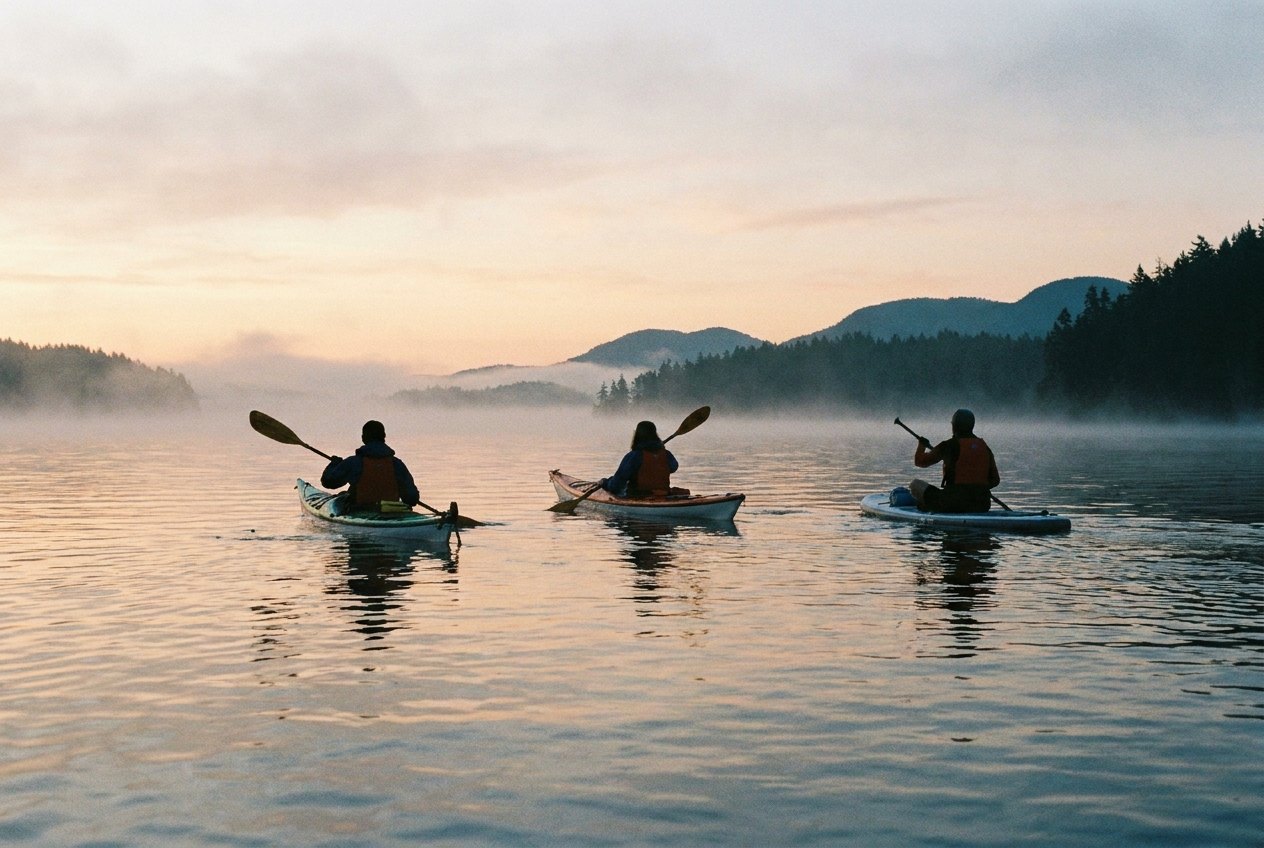
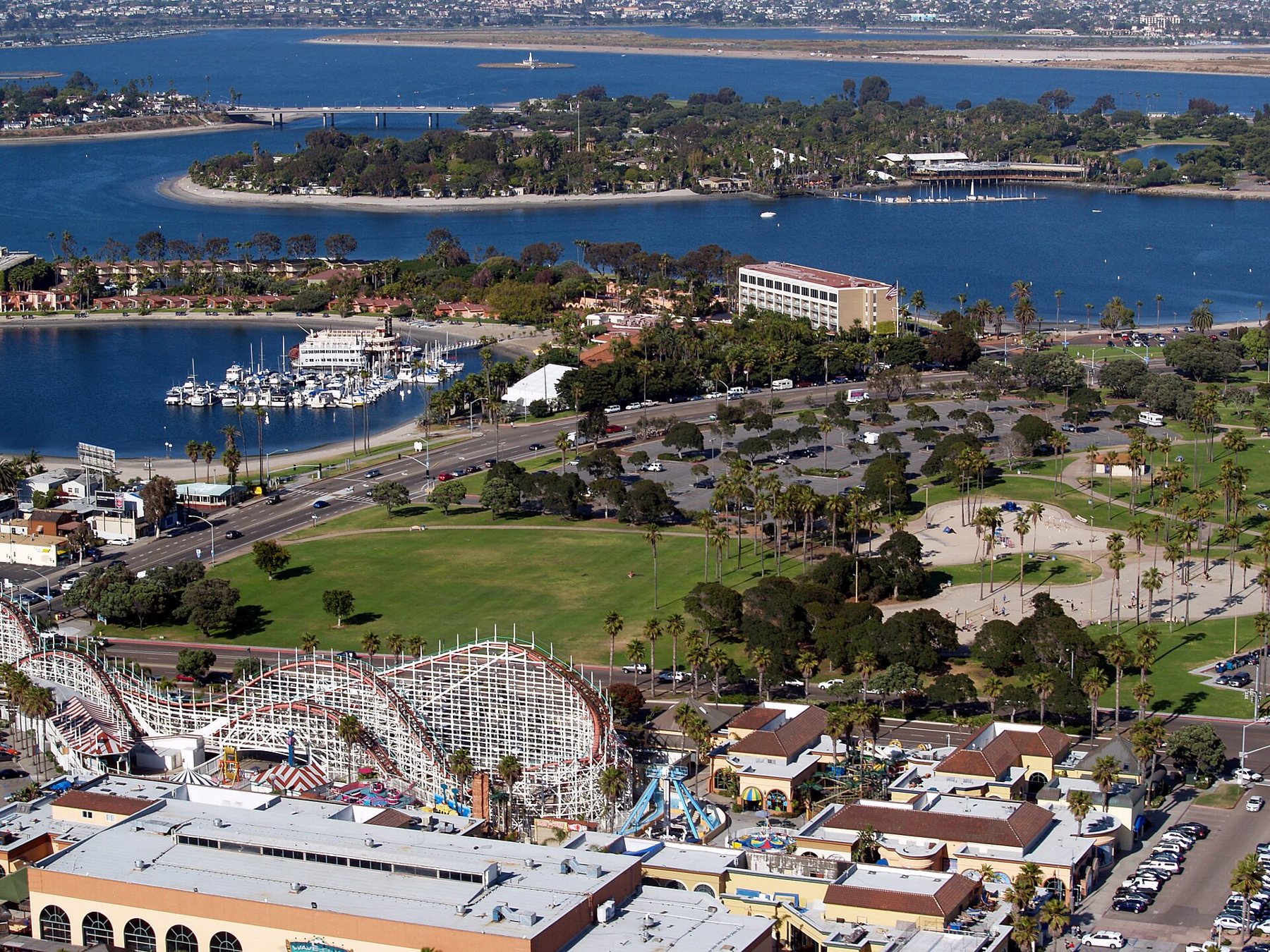
Mission Bay Park is a huge, sheltered saltwater bay on the north side of the city, with sandy coves, grassy points and islands linked by bridges. There is no surf inside the bay, and on most mornings the water lies flat and quiet. That makes it one of the friendliest places in Southern California for teens to try a kayak or a stand-up paddleboard for the first time.
It is also a busy place. Sailboats, motorboats, water-skiers, swimmers and other paddlers all share the bay. A good day out here comes down to three things: timing, life jackets and knowing which parts of the water to keep to.
Morning glass, afternoon chop
The pattern is reliable enough to plan around. Mornings are usually calm, sometimes grey under the marine layer, with only a light breeze. As the land warms up, the sea breeze builds, and by afternoon the wind across the bay can be strong enough to push a kayak sideways and blow a paddleboarder off course.
Plan to be on the water early and back on the sand by late morning or lunch. Start by paddling into the breeze, so the trip home is downwind and easier. If the wind picks up sooner than expected, head for the nearest shore rather than fighting across open water.
Fog is another morning factor. Most marine layer mornings are mild and gentle on the water, but in thick fog, stay close to shore where you can still see landmarks.
Life jackets, every paddler, every time
Every person on a kayak or paddleboard wears a properly fitted life jacket, buckled, for the whole trip. Strong swimmers included. Calm water still tips people in, and cold water, tiredness and a drifting board make swimming harder than it looks from the shore. Teens sometimes push back on this. Make it a non-negotiable rule rather than a debate.
- Check the fit before launching: the jacket should not ride up over the chin when lifted at the shoulders.
- Paddleboarders should use a leash so the board stays close if they fall.
- Carry a whistle on each life jacket and a phone in a waterproof pouch.
Hire places around the bay supply life jackets with rentals. Ask about sizes for smaller teens.
Where to paddle, and where not to
The bay has its own traffic rules. Some areas are set aside for fast boats and water-skiing, and the main channels carry boat traffic in and out to the ocean. Paddlers belong in the quieter coves and along the shoreline, away from those zones. Look for the posted buoys and signs that mark speed limits and ski areas, and stay well clear of the channel that leads out to the open sea.
Sheltered coves make the best classrooms. Teens can practice turning, stopping and getting back on a board in water that is shallow near shore and protected from the wind. Once they are confident, a gentle loop along the shoreline is plenty. There is no need to cross wide stretches of open bay.
Watch for swimmers near beaches, and give fishing lines and anchored boats a wide berth. If a larger boat approaches, paddle toward shore and let it pass, since small craft are hard to see from a bigger deck.
A grown-up on shore or alongside
How much independence depends on age, swimming ability and experience. For a first time, paddle alongside them. For confident older teens who have paddled before, a parent on the beach with a clear view of a small cove, binoculars and a set check-in time can work well.
Teach the basics before launch: how to hold a paddle, how to turn, how to climb back onto a board from deeper water. Ten minutes in knee-deep water near shore saves a lot of frustration later.
- Agree a boundary they can see clearly, like a point of land or a line of buoys.
- Set a time to come back to shore, and a signal for coming in early.
- Paddle in pairs, never alone.
- If either one falls in and cannot get back on easily, both head for shore.
Teens who are learning to read the wind and plan a route are building real judgment. The bay is forgiving enough to let them practice it.
Water quality and the rest of the day
After rain, runoff can carry pollution into the bay, and the county posts advisories or closures for some shoreline areas. Avoid water contact for a few days after a storm, and check the county's beach water quality listings before you go. Rinse off afterward either way.
The sun on the water is strong even on overcast mornings. Hats, sunscreen and sunglasses with a strap save a lot of discomfort. Bring more water than seems necessary, since paddling in the sun dries everyone out quickly.
Pack a dry bag with a towel, a spare shirt and snacks for afterward. Dry clothes help on cool mornings, when wet teens get chilly quickly once the breeze starts.
Afterward, the grassy parks around the bay are fine for a long picnic. Younger siblings who stayed ashore can enjoy the calm bay beaches while teens are out on the water. Teens who liked the early start might try Cowles Mountain at sunrise next, and those who want ocean life rather than open water can plan a low-tide trip to the Cabrillo tide pools.
Parking and timing
Mission Bay Park has many free parking lots around its edges, though rules and fees in city parks can change, so check before you go. Summer weekends bring crowds, and lots near the most popular coves fill by mid-morning, another reason for an early start. Weekday mornings outside school holidays are the quietest of all.