History can feel far away to a seven-year-old. Old Town San Diego State Historic Park brings it close. The park preserves and recreates the old heart of San Diego, from the Mexican era through the early American years, and many of its buildings are open to walk through. There is a blacksmith shop, a one-room schoolhouse, a stagecoach museum and an old print shop, and on some days, costumed volunteers show how things were done.
Entry is free, the paths are flat, and the whole park fits into a morning. For school-age kids, it is a great place to see that history happened to real people in real places.
Kumeyaay land first
Start with the land. The Kumeyaay people are the first people of the San Diego region and lived here for thousands of years before Spanish soldiers and missionaries arrived in 1769. A Kumeyaay village stood near the river below the hill where the Spanish built their presidio. Kumeyaay communities remain part of San Diego today.
Telling kids this at the start frames everything else: the adobe houses and stagecoaches are one chapter in a much longer story, not the beginning of it.
From Mexican town to American city
After Mexico won independence from Spain in 1821, families began building homes at the foot of the presidio hill, around a central plaza. This became the town of San Diego. In 1848, after the war between the United States and Mexico, California passed to the United States, and it became a state in 1850.
Old Town shows both periods side by side. Adobe homes with thick earth walls and courtyards come from the Mexican era. Wooden buildings, a newspaper office and a schoolhouse reflect the early American years. Kids can walk from one era to the next in a few steps.
The plaza in the middle remains open lawn, a good place to sit and talk about what life was like. For toddlers along for the ride, Old Town's open plaza covers the park from a little one's point of view.
The stops kids remember
0-4Mission Bay's calm water: a beach day without the wavesThe blacksmith shop
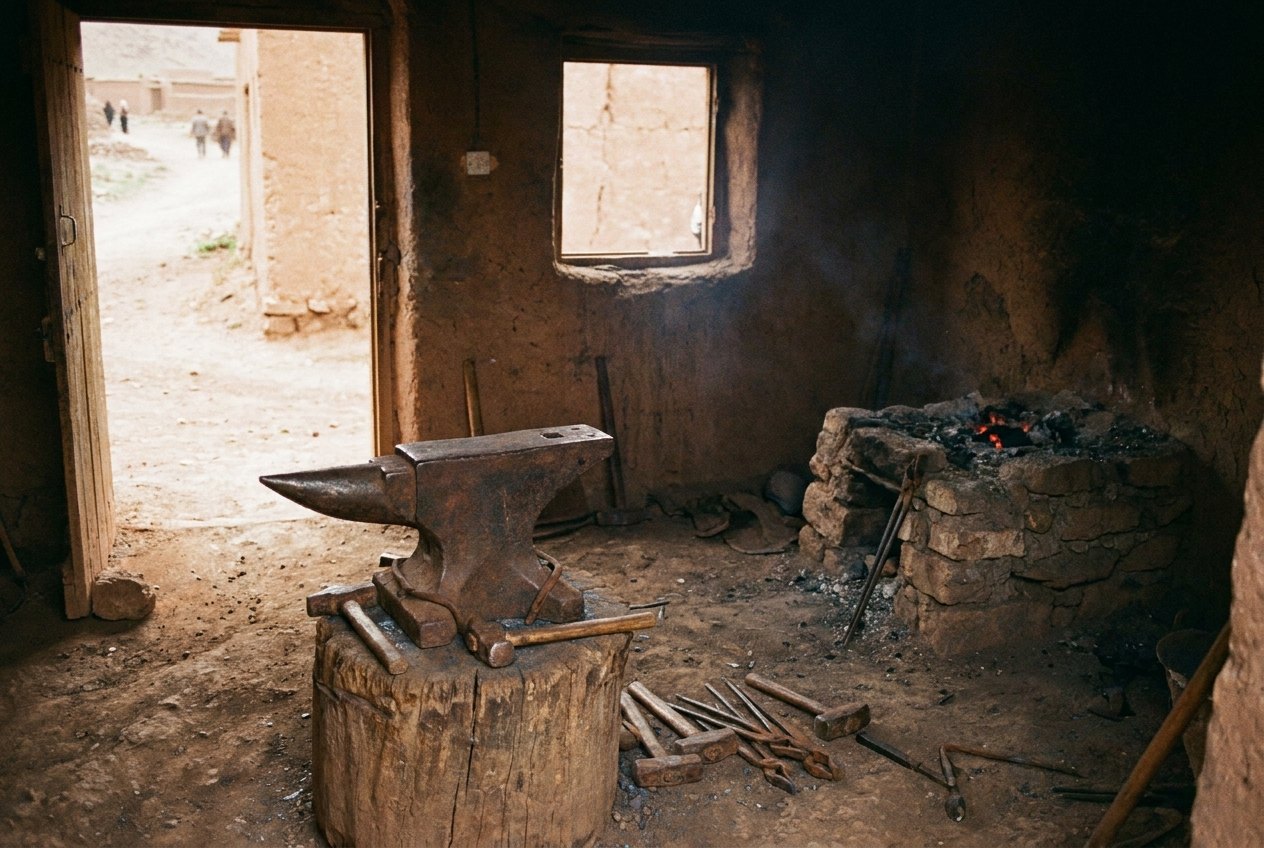
The blacksmith shop is a favorite. On demonstration days, the forge glows and a blacksmith hammers hot iron on an anvil. Kids learn that a town without a blacksmith had no horseshoes, no tools and no wagon repairs. Stand back from the forge, and let the smith tell you when it is safe to look closer.
The schoolhouse
Mason Street School is a small wooden schoolhouse, among the first public schools in San Diego. Inside, desks, slates and a teacher's desk show what a school day looked like. School-age kids love comparing it with their own classroom: one room for every grade, no screens and a lot of copying.
The Wells Fargo museum
The Wells Fargo museum displays a stagecoach and tells the story of how mail, money and passengers crossed the country before railroads reached the coast. Kids are often surprised at how small and bumpy a stagecoach looks.
Wagons, stables and the print shop
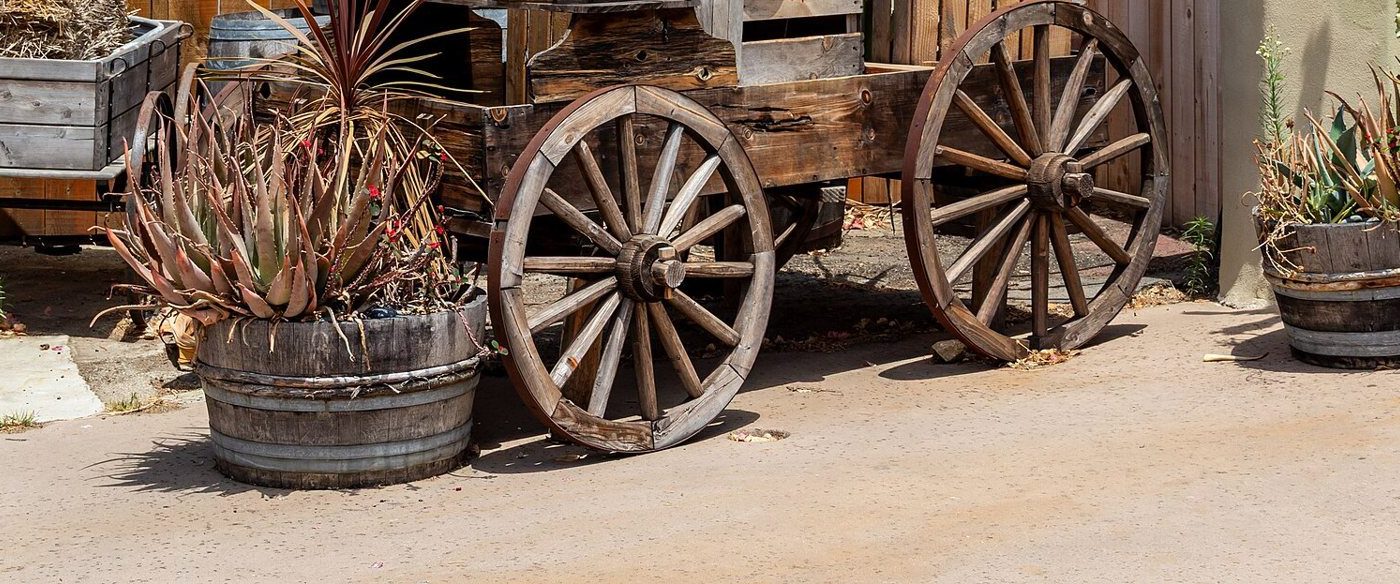
Old wagons and carriages are on display in the park, and the old newspaper office shows how type was set and printed by hand. Ask kids to count how many jobs a town needed to keep running. Then ask which of those jobs still exist today, which have changed beyond recognition and which have vanished. It is a simple game that keeps them looking closely at every room.
Living history days
On some days, often weekends and special events, costumed volunteers and staff bring the park to life with demonstrations of crafts, cooking, games and work from the 1800s. These days make Old Town come alive for children, who can ask questions and sometimes try simple tasks.
Schedules vary. Check the park's own website or ask at the visitor center before you go, and plan your visit around a demonstration if you can.
Some exhibits invite hands-on learning, while others are fragile. Ask staff what can be touched, and keep hands off old furniture, walls and objects unless invited.
Practical things for a smooth morning
- Entry is free. The state historic park charges no entry fee, though some events or nearby attractions may.
- Getting there. The Old Town Transit Center is a short walk away, served by the trolley and the Coaster. Parking nearby fills up, especially on weekends, and rules change. Check before you go.
- Hours. Buildings and museums keep their own hours, and not all are open every day. Check the park's website.
- Weather. Much of the visit is outdoors. Bring hats and sunscreen, and on a rainy day, focus on the indoor rooms.
- Strollers. Paths are flat and easy, but some old buildings have steps or narrow doors.
Bring a notebook. Kids can sketch a stagecoach, copy a word from an old sign or make a list of jobs a town needed. It turns looking into remembering.
Next stop on the shelf
Old Town is one piece of a bigger story. The Old Mission Dam at Mission Trails, built in the mission era, shows how water was brought to the mission downstream: see a first real trail at Mission Trails for a hike that ends at it. For more of the past through objects and fossils, the natural history museum in Balboa Park goes back much further, to the land before any people. And Cabrillo National Monument on Point Loma tells the story of the first European expedition to reach this coast, with tide pools for afterwards.