The San Diego Zoo with a stroller, hills and all
The zoo is built into canyons, so the paths climb and dip. With the moving walkways, the bus tour and the aerial tram, a stroller day is very doable.
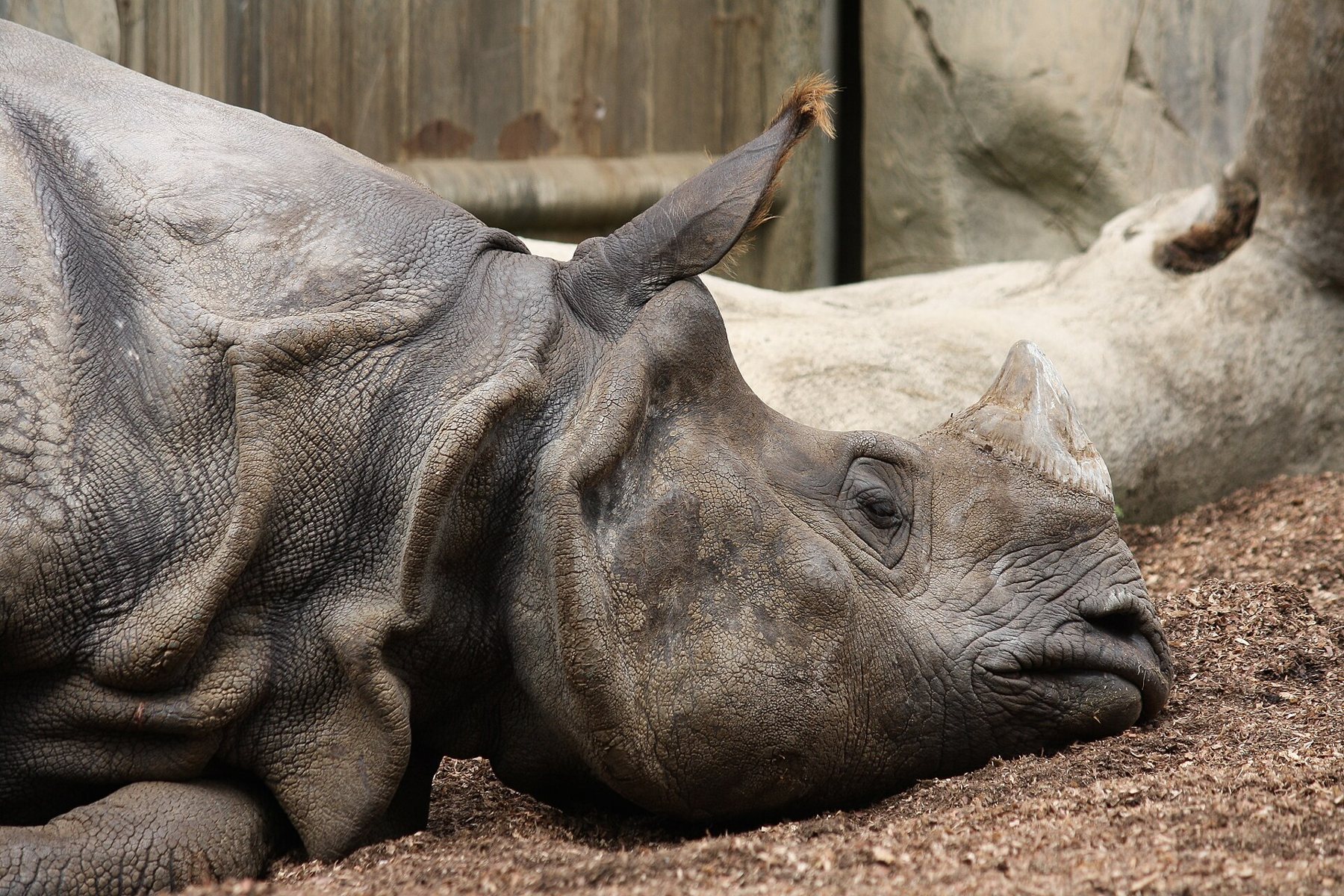
The San Diego Zoo is not flat. It sits in the canyons and mesas at the north end of Balboa Park, and the paths between animal areas climb, dip and switch back through thick planting. That is part of what makes it beautiful, and part of what makes pushing a stroller here feel like a workout by mid-morning.
The good news is that the zoo has built in a lot of help. There are moving walkways and escalators on some of the steepest hillsides, a guided bus tour that covers a big loop, and the Skyfari aerial tram that carries you across the park in the air. Use them well and a day with a baby or toddler is not only possible but pleasant.
How the hills actually work
Think of the zoo as a set of ridges with canyons between them. The entrance plaza sits high, and many paths head down into the canyons and back up the other side. Pushing a loaded stroller down is easy. Pushing it back up, in the sun, after lunch, is the part that catches people out.
A few habits help:
- Look for the moving walkways and escalators. They connect lower areas with higher ones in several places. Strollers are generally fine on them; keep a firm grip, follow the posted rules and keep small feet clear of the edges.
- Go down on foot, ride back up. Plan routes so that the long climbs happen on a walkway, the bus or the tram rather than behind the stroller.
- Study the map early. Some paths look close on paper but sit at very different heights. A short distance can mean a steep climb.
Paths are paved and wide in most areas, with some narrower stretches through the denser plantings. A sturdy stroller with good wheels handles the zoo better than a light umbrella stroller, and a sun canopy matters more than cup holders.
The bus, the tram and the walkways
The guided bus tour
The guided bus tour is the single most useful thing for parents of small children. It loops through a large part of the zoo while a guide points out animals and talks about them, so you see a lot without pushing anything. It is a smart first move: kids get an early look at the big animals, and you get a feel for the layout before choosing where to walk. Strollers need to be folded or parked before boarding, so have a carrier or a free hip ready. Lines grow through the day, which is another reason to ride early.
The Skyfari aerial tram
The Skyfari aerial tram runs high above the zoo between two points on opposite sides of the park. For a preschooler, the ride is an adventure in itself, gliding over treetops and enclosures. For you, it is a way to cross the zoo without the canyon in the middle. Some kids find the height exciting and some find it scary, so read your child before committing. Stroller rules on the tram can vary; check at the boarding point.
Walkways and the quiet canyons
The walkways do the climbing for you. The canyons, meanwhile, hold some of the shadiest, quietest paths in the zoo, which makes them the best place to steer a stroller when a nap is due.
Plan the walking around the nap rather than the nap around the walking. Once the baby is asleep, take the long shady route; once awake, head for the animals you most want them to see.
Plan the walking around the nap rather than the nap around the walking.
A half-day plan for little ones
For children under five, half a day is usually the sweet spot. A plan that works well:
0-4The carousel and the little train: a morning built for small legs- Arrive at opening. Animals are often more active in the cool of the morning, the paths are emptier and parking is easier.
- Ride the guided bus tour. Get the overview while everyone is fresh.
- Pick two or three areas. Choose them from the bus ride. Toddlers do better seeing three animals properly than twenty at a jog.
- Visit the children's area. The zoo has a section aimed at younger kids, with smaller animals at their eye level and room to move. It makes a good mid-morning stop.
- Snack in the shade, then ride the Skyfari. A short flight across the park breaks up the walking.
- Head home before the meltdown. Leaving while everyone is still happy is a win, not a failure.
Older siblings may push for a full day. If so, split up for an hour: one grown-up stays in the shade with the stroller while the other takes the big kids to whatever needs the most walking.
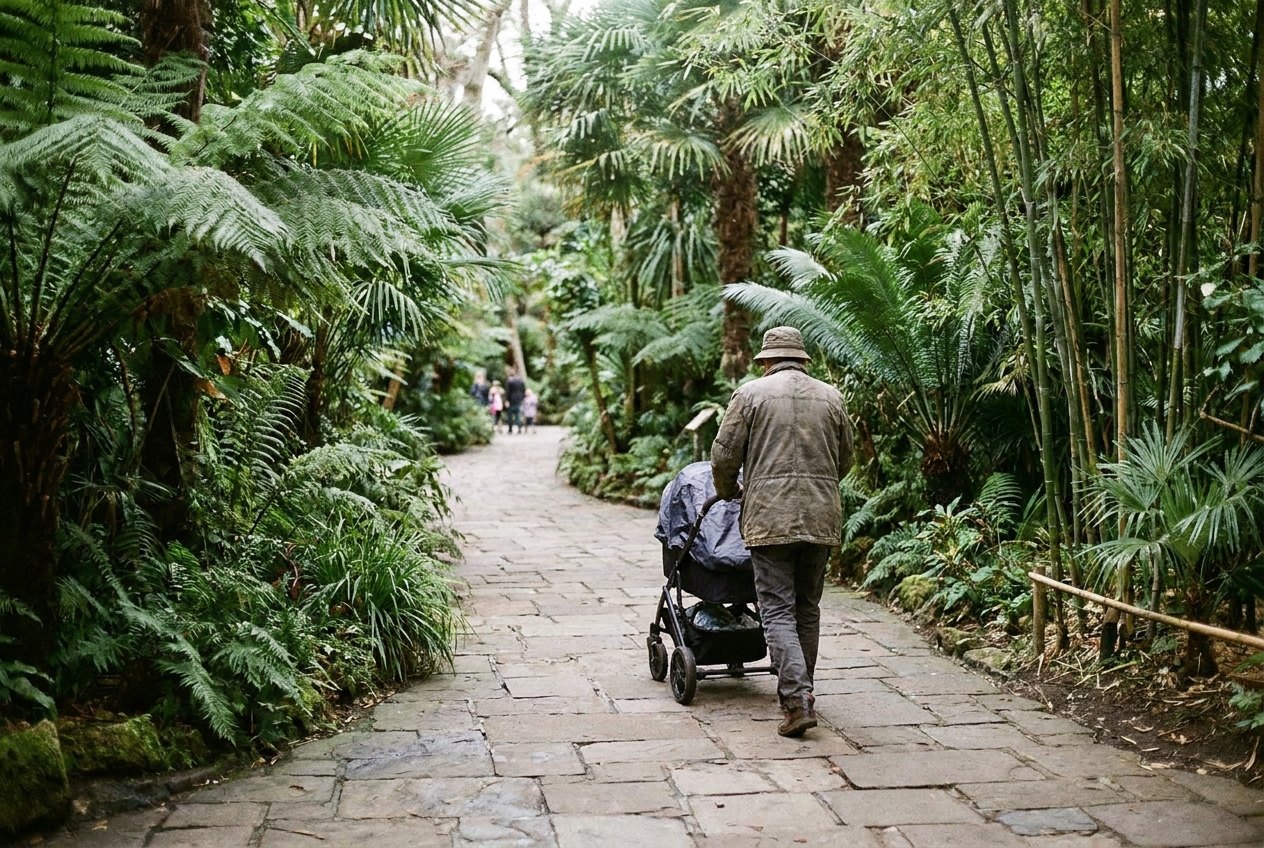
Shade, food, water and the small practical things
The zoo is heavily planted, so there is more shade than many visitors expect, but open plazas and some paths are fully exposed. Summer afternoons are hot, and the sun is strong in every season. Pack hats, sunscreen and a clip-on stroller shade.
Bring refillable water bottles and plenty of snacks. Food is sold inside the zoo, but lines at lunch can be long, and a toddler who needs a cracker right now will not wait. Check the zoo's current rules on outside food and drink before you go; glass and some items are not allowed.
Restrooms with changing tables are spread through the zoo, and the map shows them. Ask at the entrance about quiet spaces for feeding a baby.
- Tickets, memberships and any discounts change, so check prices on the zoo's own website before you go rather than at the gate.
- Parking arrangements near the zoo and across Balboa Park have changed in recent years. Check before you go, and arrive early on weekends, holidays and summer days.
- Stroller rentals have been offered at the entrance, but numbers are limited on busy days. If you can, bring your own.
- Rain is rare, and the zoo stays open in most weather. Most areas are open to the sky, so a wet day here is a wet day.
Making it work at every age
Babies in the first year mostly need a smooth, shady stroll and a feed somewhere quiet. Bring a carrier for the bus and the tram, and let the canyon paths do their work. Toddlers want to get out and walk, then want to be carried. A stroller with a footboard or a sibling seat can save a lot of arguing on the climbs. Preschoolers can handle more walking and like to choose; give them two animals to pick from and let them lead.
School-age kids can do a longer day and enjoy maps, keeper talks and the tram. When the zoo starts to feel familiar, there is plenty more in the park nearby: dinosaurs and fossils at the natural history museum, the push-button exhibits at the science center or, for a quick finish with the littlest ones, a ride on the carousel and the little train by the zoo entrance. When the teenagers want a day without a stroller in sight, Balboa Park on their own terms is a good place to start.